
MA in Creative Writing & Wellbeing
Weaving postgraduate research into my journal therapy practice
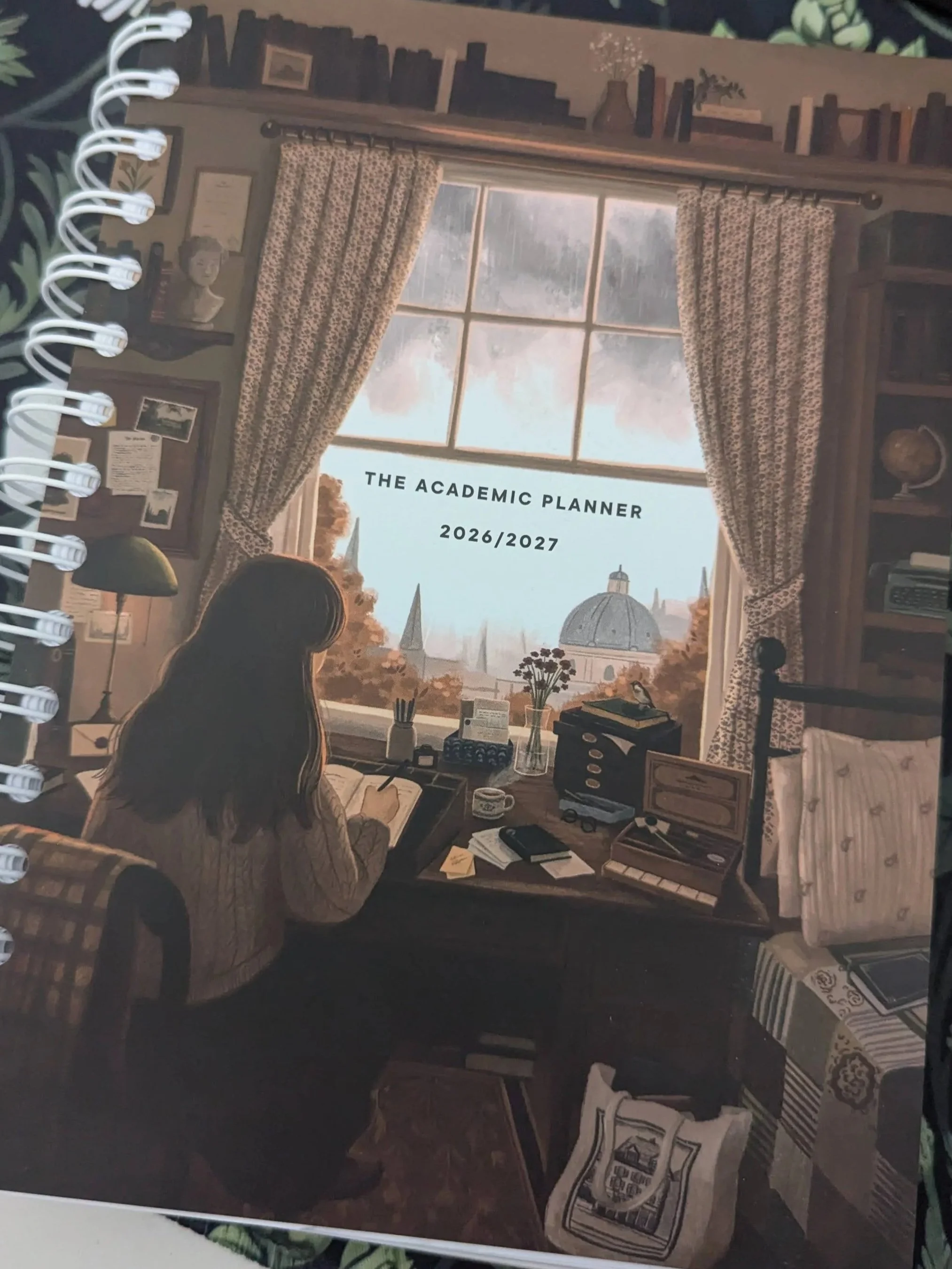
I have news. I have convinced the powers that be at Teesside University to give me a place on a Masters programme. So, as of 21st September I will be a student at Teesside University, studying MA Creative Writing and Wellbeing.
This MA is delivered 100% online, which makes all of the difference and the course, oh my days, the course content is amazing and ties in beautifully with my journal therapy practice. One of my lecturers wrote this particular programme so I'm being taught by someone who knows, understands and truly believes in the curriculum.
Why Am I Going Back to School?
Walking away from my twenty-year-old copywriting business after years of retraining, to set up and run a journal therapy practice was terrifying, liberating, and long-overdue. When you get to a certain age, you look around and think, “What now?” - You have options. You have grown-up money. Your children need you a little less.
You start focusing on yourself more.
Why I am going back to school? Because it is my time.
Why This Particular Course?
I have been incredibly fortunate to be able to train under Kay Adams M.A (THE Kathleen Adams who founded The Centre For Journal Therapy & the Therapeutic Writing Institute). Kay, quite literally, wrote the book on journal therapy. Lots of them.
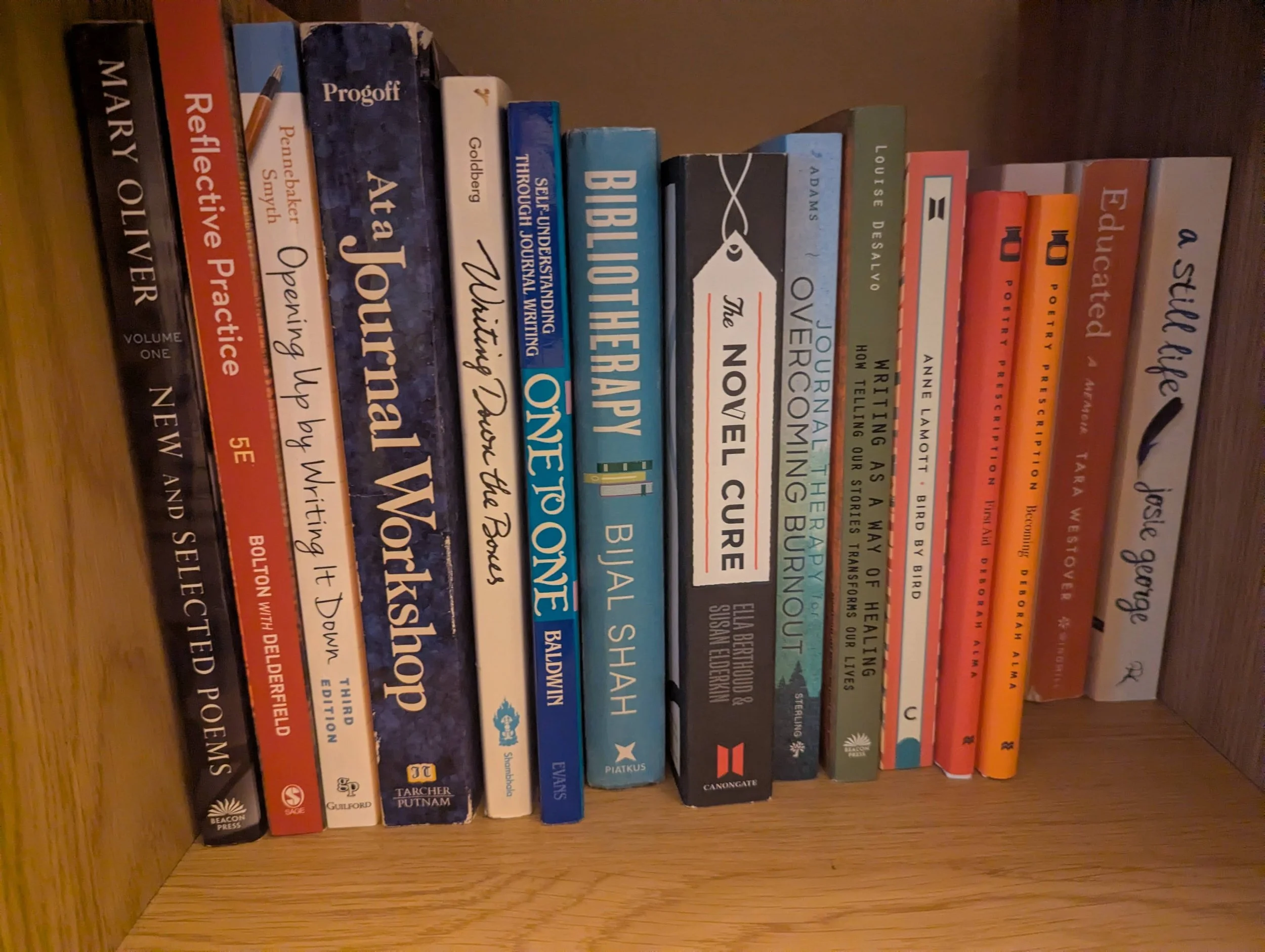
I’ve also trained via the Dulwich Centre, the birthplace of narrative therapy, Bijal Shah the Bibliotherapy queen (and author), and others. I’m a member of Lapidus and the CMA and my bookshelves are teeming with an almost obscene number of books from author such as Ira Progoff, Gillie Bolton, Pennebaker, and more.
To say that I love what I do is an understatement and my investment (time and money) in training has been worth every second and every penny. Now, it’s time to pull it all together and to take the next step.
The goal ultimately is to offer additional support, programmes, resources and accessible therapeutic writing opportunities for women over 40 years and SEND parents and carers. I have some ideas of what this will look like but part of it will be via social prescribing, workshops and more.
How the heck will I balance it all?
Taking on postgraduate study while running an active journal therapy practice requires serious intention. Over the last few months, I’ve spent a lot of time streamlining my life and stepping back from optional extras (goodbye, voluntary committees!)
I’ve deliberately structured my schedule so my client time remains fully protected, and my study hours are clearly defined, all without eating into essential rest and family time. With this being an entirely online course I’m not having to factor in travel back and forth.
Balance isn’t an afterthought; it’s the foundation of how I’m approaching this entire degree. I’ve experienced burnout before, and do not have any plans to revisit it.
I’ve planned very carefully to make sure that my practice isn’t hindered or lessened. Nothing will change for my clients. If anything they will benefit from additional resources as time moves on. All it means is that I am more mindful of my capacity and I will operate a waiting list system when that capacity is reached. A lot of my resources, and there are more to come, are self-paced and can be downloaded.
AND, I have a huge amount of support from my family and close friends. This will make all of the difference in terms of balance, particularly at home. Roy and The Boys have been brilliant. T, our youngest (15yrs) said, “I’m really proud of you Mum” when I told him, which, of course turned me into a blubbering mess.
Yes, everything is planned out but I also recognise that life likes to throw curveballs and so I’ve added extra flexibility and padding.
Keep Up To Date
I’m working with journal therapy clients, my Substack is regularly updated with articles and more, and, of course there are new workbooks and resources popping up on here every month. If you have any questions about therapeutic writing, journaling or anything else, feel free to get in touch.
